
Anchoring Confidence: How to Choose the Right Anchor for Your Boat
Home » Boating Tips » Anchoring Confidence: How to Choose the Right Anchor for Your Boat
Home » Boating Tips » Anchoring Confidence: How to Choose the Right Anchor for Your Boat
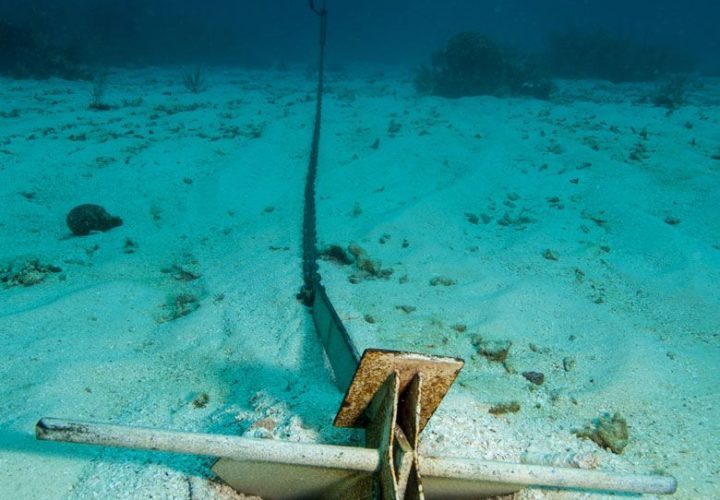
Selecting the correct anchor is arguably the single most important decision for boating safety outside of hull integrity. An anchor is your primary means of stopping and holding your vessel against wind, tide, and current. But with so many shapes and sizes available, how do you choose the right one?
This guide breaks down the most common anchor types and the critical factors you need to consider to ensure you’re securely held, every time.
Different anchors are designed to perform optimally in specific seabed conditions. A good primary anchor should be versatile, but understanding the differences is key.
Choosing the right anchor isn’t just about the type; it’s about matching the anchor to your boat and your environment.
The material beneath your boat is the most critical factor. Your primary anchor should be optimized for the seabed you encounter most often.
| Bottom Type | Holding Challenge | Best Anchor Type |
|---|---|---|
| Mud | Requires large surface area to prevent sinking. | Fluke, Scoop (Rocna/Spade) |
| Sand | Ideal holding ground; requires deep penetration. | Scoop (Rocna/Spade), Plough (Delta) |
| Rock/Coral | Needs a point to catch an edge. Risk of fouling. | Claw (Bruce), Plough (Delta) |
| Heavy Weed | Needs weight and sharpness to cut through. | Plough (Delta), Scoop (Rocna/Spade) |
Anchor manufacturers provide detailed charts based on boat length, weight (displacement), and windage (how much of the boat is exposed to the wind). Never undersize your anchor. If your boat is heavier, has a flybridge, or high freeboard, always choose the anchor size recommended for the next class up.
The anchor itself is only part of the system. The rode (the line connecting the boat to the anchor) is equally important:
Given the varied conditions found throughout the Hauraki Gulf and coastal NZ, we strongly recommend a modern Scoop/New Generation Anchor (like a Rocna or Spade) as your primary bower anchor. Their immediate setting and holding power provide the highest level of safety and reliability in mixed conditions.
For a secondary/stern anchor, a Claw or Fluke design can serve as a lightweight, functional backup.
Need help calculating the right anchor weight and size for your vessel? Visit our store nationwide and talk to one of our marine experts today!
Signup and get the latest deals and information from Boating and Outdoors.