
Is your boat actually ready for spring? The 10-point check before you hit the ramp
Home » Boating Tips » Is your boat actually ready for spring? The 10-point check before you hit the ramp
Home » Boating Tips » Is your boat actually ready for spring? The 10-point check before you hit the ramp
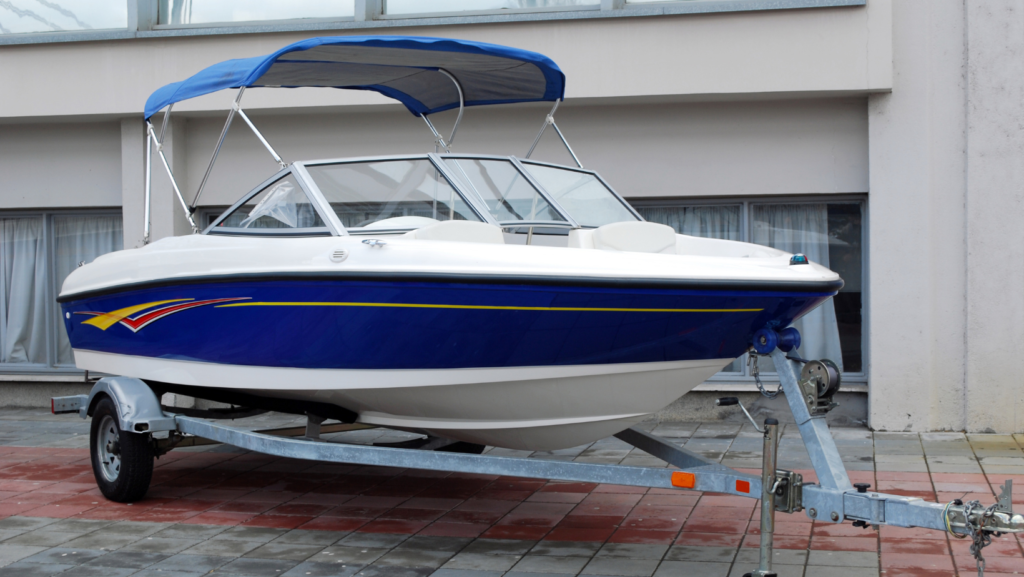
The first genuinely warm weekend of spring arrives and the optimism kicks in.
The cover comes off, the rods come out and someone announces that the boat is good to go.
But if it has spent much of winter sitting in the garage, driveway or marina, your first trip should not begin with turning the key and hoping for the best. Good spring boat maintenance is about checking the whole setup – boat, motor, electronics, safety gear and trailer – before a small problem costs you a day on the water.
Marine batteries do not enjoy months of inactivity. Check the state of charge, inspect the terminals for corrosion and make sure every connection is clean and secure. A battery that cranks the engine once at home may still lack the capacity needed for a full day running electronics, pumps and accessories. If its condition is uncertain, have it load-tested. Your local Boating & Outdoors team can help assess whether your starting, deep-cycle, AGM or lithium setup still suits the way you use your boat.
Inspect fuel lines, connections, filters and tanks for signs of deterioration or leaks. If fuel has been sitting for months, follow the engine and fuel-system manufacturer’s guidance before using it. Start the season with enough fuel for the planned trip and a sensible reserve.
Check fluid levels where applicable, inspect the propeller for damage or fishing line, look for corrosion and confirm that the cooling system is operating correctly. If servicing is due, book it before the pre-summer workshop rush rather than after the first failed launch.
Test the fish finder, chartplotter, VHF, navigation lights, bilge pump, gauges, USB outlets and other installed equipment. Winter has a way of exposing marginal connections. Finding an intermittent fault in the driveway is considerably easier than finding it at sea.
Get the lifejackets out of the locker. Check sizing, straps, buckles, fabric and condition, especially for children who may have grown since last season. Maintain inflatable models in line with their manufacturer’s instructions.
Maritime New Zealand recommends carrying two waterproof ways to call for help. Check your VHF, mobile phone protection and any PLB or EPIRB, including beacon registration and battery expiry details.
Inspect the anchor, chain, rope, shackles and connections for chafe, corrosion or damage. An anchor is emergency equipment as well as a convenient way to hold your fishing spot, so make sure the complete system is suitable and ready to deploy.
Do not settle for knowing there is a bilge pump aboard. Test manual and automatic operation where fitted, clear debris and make sure discharge points are unobstructed.
Check the first aid kit, torch, spare batteries, sun protection, drinking water and any trip-specific equipment. Replace expired, damaged or missing items now, not while the family is waiting at the ramp.
Check the coupling, safety chains, tyres, wheel bearings, lights, winch, bow connection and transom tie-downs. Also confirm that the jack, wheel brace and spare tyre are aboard and usable.
Use the marine forecast for the area you are entering and pay attention to wind, swell, warnings and expected changes. Recheck it before departure. Spring conditions can shift quickly, and the right decision may be to change the plan or stay ashore.
The best spring check is not simply a shopping list. It is a chance to make sure the battery, charging system, electronics, safety gear, motor and trailer still work together for the boating you actually do.
If any item produced an uncomfortable ‘I’m not sure’, visit your local Boating & Outdoors marine experts. They can help with practical advice, product selection, fitting, servicing and after-sales support. Or browse the marine range online at boatingandoutdoors.co.nz.
Signup and get the latest deals and information from Boating and Outdoors.