
Briefing your boat crew before departure
Home » Boating Tips » Briefing your boat crew before departure
Home » Boating Tips » Briefing your boat crew before departure
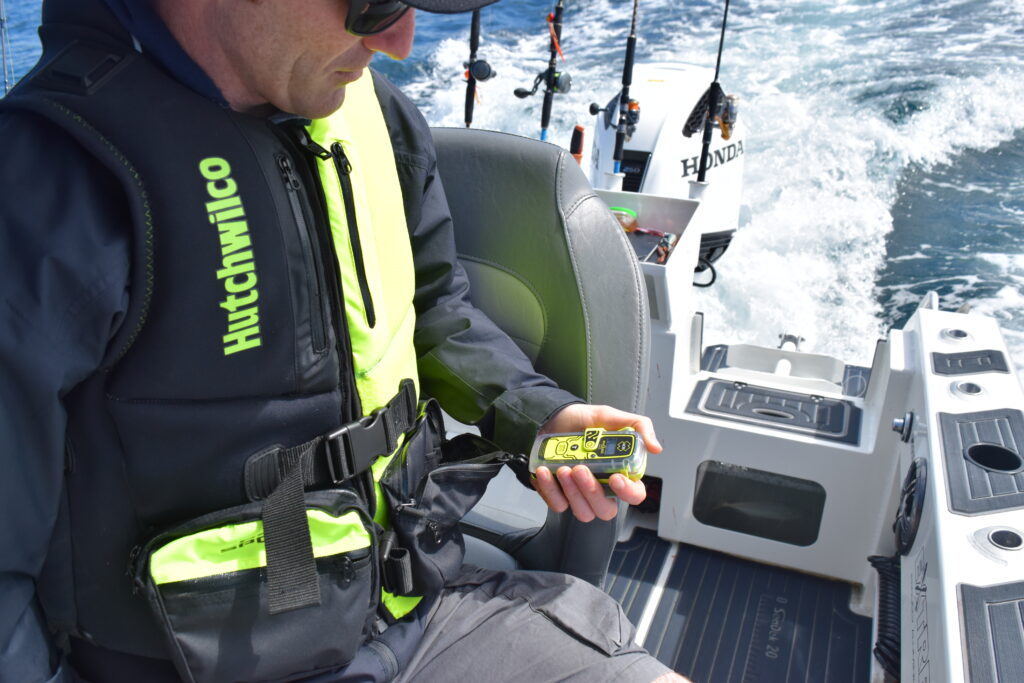
Knowing your boat well doesn’t mean everyone aboard knows it too. A clear briefing helps passengers understand the plan, find equipment and ask questions before you leave.
You step aboard and know which locker contains the safety equipment, which switch does what and where everyone should sit. A first-time passenger sees a collection of unfamiliar spaces, controls and gear.
That difference is worth dealing with before departure. A crew briefing is an ordinary conversation about this boat and this trip, backed by showing people what you mean. It doesn’t need to sound like a speech.
Start while you have time to listen. If you’re towing to a busy ramp, cover the plan before joining the launch queue. If you’re leaving a berth, have the conversation before people are occupied with lines and other departure tasks.
Tell the crew where you intend to go, the likely duration and the return plan. Explain that the destination can change if conditions or someone’s comfort make a different plan sensible.
Give passengers a way to speak up. Someone feeling cold, unwell or unsure should know they can tell you early. It’s much easier to make a decision with that information than discover later that they were uncomfortable for an hour.
Children benefit from an explanation pitched to them too. Keep instructions clear and manageable rather than expecting them to remember a long list given once.
Point out safe places to sit, useful handholds and areas to keep clear. Explain the tasks you want help with and the ones you will handle yourself.
Show where the safety equipment is and how it is accessed. Asking someone to find an item after you have shown them is a useful way to check whether the explanation made sense.
Keep the demonstration calm and safe. Do not activate a distress beacon or emergency function to make the briefing more memorable. Use the appropriate manual and training material to explain equipment that needs specialist procedures.
Maritime NZ recommends carrying two waterproof ways to call for help. Alongside choosing suitable equipment, think about who knows how to reach and use it.
Explain your own setup using the correct instructions. If the person beside you doesn’t understand a control, take the time to clarify it. If you cannot explain it confidently yourself, that’s a useful question to resolve before going out.
Your local marine specialist can help with equipment questions; a boating course or appropriate training helps build operating knowledge. Buying equipment and knowing how to use it are separate parts of preparation.
A helper is most useful when they know the job you want done. Explain roles before asking someone to handle a line, assist with the trailer or wait in a particular place.
Avoid changing instructions halfway through a task unless necessary, and make sure everyone understands any change. If the launch process becomes rushed, pause in a safe place and get organised.
Before returning, remind the crew of the next steps. They may be tired, and a task that felt clear in the morning can need another explanation later in the day.
The skipper remains responsible for the safety of the boat and everyone aboard, including compliance with relevant rules and regional bylaws. Briefing passengers supports that responsibility; it doesn’t transfer it to them.
For your next trip, set aside time for the tour and invite questions. Read our lifejacket selection guide if equipment suitability is one of them, and talk to your local Boating & Outdoors store about gear you need help understanding. A question answered ashore makes the next departure easier.
Signup and get the latest deals and information from Boating and Outdoors.