
New Lifejacket Rules: what Kiwi boaties need to know before 9 October
Home » Boating Tips » New Lifejacket Rules: what Kiwi boaties need to know before 9 October
Home » Boating Tips » New Lifejacket Rules: what Kiwi boaties need to know before 9 October
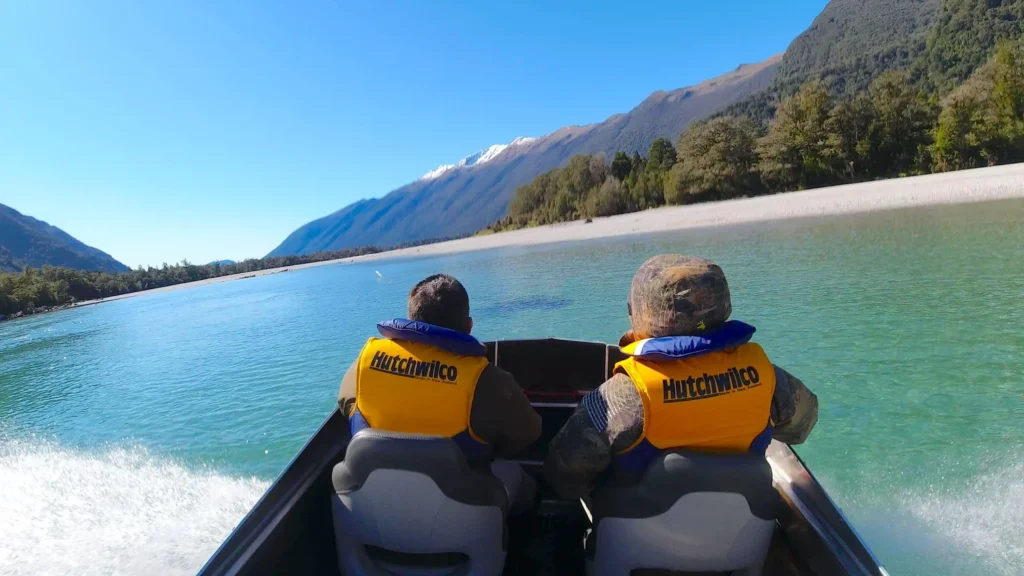
From 9 October 2026, the rules around wearing lifejackets on recreational craft are changing across New Zealand.
The key change is straightforward:
Everyone aboard a recreational craft 6 metres or less must wear a lifejacket while the craft is underway, unless a specific exclusion applies.
That includes far more than the traditional trailer boat. The nationwide rule applies to recreational craft including small motorboats, sailboats, yacht tenders, dinghies, kayaks, paddleboards and jetskis when they fall within the size requirement.
For Kiwi boaties, now is a good time to understand exactly what is changing – and to make sure every lifejacket aboard actually fits the person who will be wearing it.
From 9 October 2026, everyone aboard a recreational craft 6 metres or less must wear an appropriately sized lifejacket whenever the craft is underway.
The new rule applies throughout New Zealand, including lakes, rivers, streams, coastal waters and offshore. It applies to both powered and unpowered recreational craft.
That means it isn’t only the skipper who needs to be wearing one. It applies to everyone aboard.
For many Kiwi boaties, putting on a lifejacket before heading out is already part of the routine. The important change is that there will now be one consistent nationwide wearing requirement for recreational craft 6 metres and under.
This is an important part of the new lifejacket rule.
Maritime NZ defines a vessel as underway when it is on the water and is not at anchor, attached to a dock, aground or attached to shore.
So don’t assume the rule only applies when you’re travelling at speed or have the outboard running.
If the craft is underway under that definition, the new lifejacket-wearing requirement applies.
The new rule covers recreational craft 6 metres and under, including common craft such as:
There are specific exclusions for some activities and circumstances, so if you’re unsure whether one applies to you, check Maritime NZ’s current guidance rather than assuming you’re exempt.
Check the official Maritime NZ lifejacket rule guidance
The new mandatory wearing requirement specifically applies to recreational craft 6 metres and under, but that doesn’t mean lifejacket requirements disappear when your boat is larger.
All recreational craft must still carry enough correctly sized lifejackets for everyone aboard. Lifejackets must also be worn during times of heightened risk, such as rough water, bar crossings and emergencies.
If they aren’t being worn, they need to be immediately available in an emergency.
Maritime NZ says smaller recreational craft have a higher risk profile and are over-represented in boating fatalities and serious-harm incidents.
The national requirement is intended to give recreational water users one clear and consistent rule wherever they are boating in New Zealand.
There’s also a practical reason for wearing your lifejacket rather than simply having it somewhere aboard.
Boating incidents can happen suddenly. Once somebody is already in the water, Maritime NZ notes that putting a lifejacket on can be extremely difficult, if not impossible.
This is where it’s worth looking beyond the basic legal change.
Not every lifejacket is right for every person or every activity.
Maritime NZ advises choosing a lifejacket according to factors including the wearer’s age and physical ability, the type of activity and where it will be used. Lifejackets must also meet an approved standard and be in good working condition.
A jacket for an adult fishing offshore isn’t automatically the right choice for a child, kayaker or jetski rider.
Fit matters too.
A lifejacket needs to fit correctly and be properly secured. For children in particular, Maritime NZ advises buying the correct size now, rather than something for them to “grow into”, and checking the stated weight range. Child-sized lifejackets must have crotch straps.
That’s why trying lifejackets on and talking through how they’ll actually be used can make a real difference.
Don’t wait until the first proper boating weekend to discover that someone’s jacket no longer fits.
Pull your lifejackets out now and give them a proper check.
Look at the straps and buckles. Check the fabric for cuts, tears or deterioration. Make sure the jacket is still the correct size for its wearer, particularly with growing children. Check its labels and make sure it remains appropriate for how you use the water.
Inflatable lifejackets deserve particular attention. Maritime NZ advises checking them before each trip and says inflatable lifejackets need to be serviced at least annually in accordance with the manufacturer’s instructions.
Old lifejackets shouldn’t automatically get a pass because they’ve spent years sitting untouched in the boat either. Maritime NZ specifically advises replacing old jackets with kapok filling or cotton straps.
Before the new rule comes into effect:
It’s a simple bit of preparation that can save a lot of last-minute sorting when the weather comes right.
The new rules aren’t simply a reason to buy another piece of boating gear.
They’re a good reason to check whether the lifejackets you already own are right for the people wearing them and the way you use the water.
That’s where your local Boating & Outdoors marine experts can help.
Across the Boating & Outdoors network, independently owned marine stores combine local knowledge with practical boating experience. Rather than guessing from an online product listing, you can talk through who will be wearing the jacket, what kind of boating you do and where you normally head out.
Our teams can help you check fit and sizing and choose an appropriate lifejacket for your boating or water activity.
Signup and get the latest deals and information from Boating and Outdoors.