
How to Look After Your Boat During a Busy Kiwi Summer
Home » Boating Tips » How to Look After Your Boat During a Busy Kiwi Summer
Home » Boating Tips » How to Look After Your Boat During a Busy Kiwi Summer
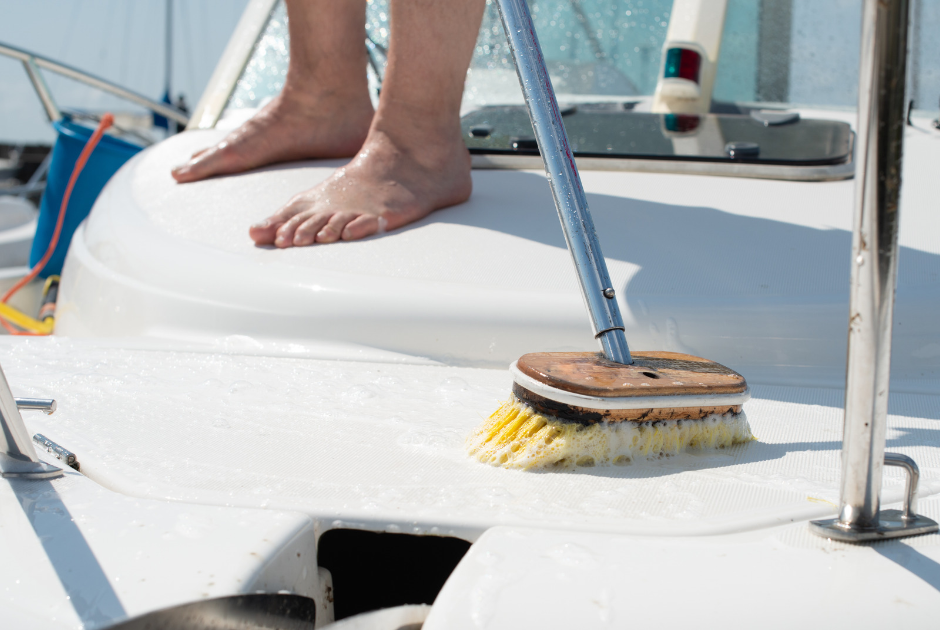
Busy summers are hard on boats. A few consistent habits can make clean-up easier and help you spot issues earlier.
Summer boating often means early starts, long days, sandy feet and plenty of gear moving on and off the boat. By the time everyone gets home, washing down and putting things away can feel like the least enjoyable part of the day.
A realistic routine is more useful than a perfect one that never happens. Decide what needs attention after every outing and what can be inspected at regular intervals. Keep suitable cleaning products and equipment together so the job is easier to start.
Salt, spray, fish residue and everyday dirt can build up quickly during frequent use. Follow the boat, engine and equipment manufacturers’ instructions for cleaning and flushing, including any material-specific requirements. Avoid assuming that one chemical or method is appropriate for every surface or component.
Products such as the DeSalt Bucket Pack may be worth considering as part of a suitable wash-down kit. Check product instructions and suitability before use, and ask your local marine dealer if you are unsure.
A new vibration, intermittent electrical fault, loose fitting or unfamiliar noise can be easy to overlook when the weather is good and everyone wants to get back out. Make a note of what changed, when it happens and any conditions that seem relevant.
Do not attempt technical repairs beyond your knowledge or the manufacturer’s instructions. A marine technician can help diagnose the cause and advise on the appropriate work.
Check that safety equipment remains accessible and in good condition. Inspect ropes and other frequently handled gear for visible wear. Store removable accessories appropriately, and consider whether covers and storage arrangements suit your particular boat or jet ski.
For electronics and batteries, follow manufacturer guidance on care, charging and storage. The right approach can differ between products; avoid one-size-fits-all assumptions.
Before a busy holiday period, think about what has been frustrating you on recent trips. Is gear hard to reach? Is the anchor rope difficult to stow? Does the boat need a workshop assessment? Those are useful prompts for a conversation with a specialist.
The Boating & Outdoors network includes independently owned marine businesses that can help customers choose equipment and discuss servicing options. A short conversation now may save time when you would rather be boating.
Signup and get the latest deals and information from Boating and Outdoors.