
“It started fine in the driveway…” is your marine battery ready for spring?
Home » Boating Tips » “It started fine in the driveway…” is your marine battery ready for spring?
Home » Boating Tips » “It started fine in the driveway…” is your marine battery ready for spring?
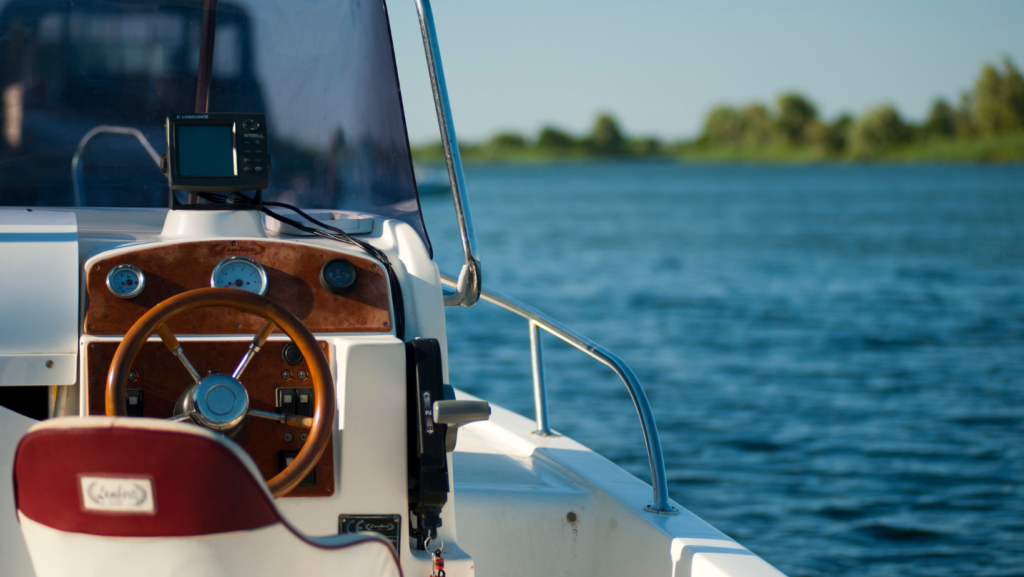
Turn the key. The engine starts. Battery problem solved – right? Maybe.
A marine battery that has sat through winter can deliver one convincing start without having the reserve capacity you want on the water. Spring is the right time to check its health, its connections and whether the whole battery system still matches the electrical load aboard.
Check that the battery is secure, terminals are clean and tight, cables are undamaged and there is no swelling, cracking or leakage. Corrosion and loose connections can create symptoms that look like battery failure, so start with the basics before replacing anything.
A voltage reading can indicate state of charge, but it does not tell the whole story. Capacity declines with age and use. If a battery is several seasons old, has been deeply discharged or is slow to recover, ask a marine specialist to test it under load.
A starting battery is built to provide a short, high burst of current for engine cranking. A deep-cycle battery is designed to supply equipment over a longer period. Fish finders, chartplotters, VHF radios, pumps, lighting, stereos and device charging can create a substantial house load on a modern boat.
That is why ‘I need a boat battery’ is only the start of the conversation. The right choice depends on the engine, accessories, charging system, available space and how long you spend away from shore power.
AGM batteries are sealed, low-maintenance and widely used in marine applications. Lithium iron phosphate batteries can offer lower weight, high usable capacity and long cycle life, but they are not an automatic drop-in answer for every boat.
Compatibility matters. Charging equipment, alternator behaviour, battery management, cabling, protection and the intended load all need to be considered as one system. Specialist advice is particularly valuable before changing battery chemistry.
If the boat sits for weeks at a time, a suitable smart charger or maintainer can help keep compatible batteries ready for use. Follow the battery and charger manufacturers’ instructions, and make sure any shore-powered installation is appropriate for the marine environment.
A larger sounder, extra lighting, pumps and phone charging all add demand. If accessories have been added over the years, the battery bank and charging system may no longer suit the boat as it is used today.
Five minutes of checking at home beats a queue of boats watching you repeatedly turn the key. If you are unsure about battery condition or the right setup, talk to your local Boating & Outdoors marine experts. They can help test, specify, fit and support a solution for your boat. Browse marine batteries and charging equipment online, or visit your nearest dealer.
Signup and get the latest deals and information from Boating and Outdoors.